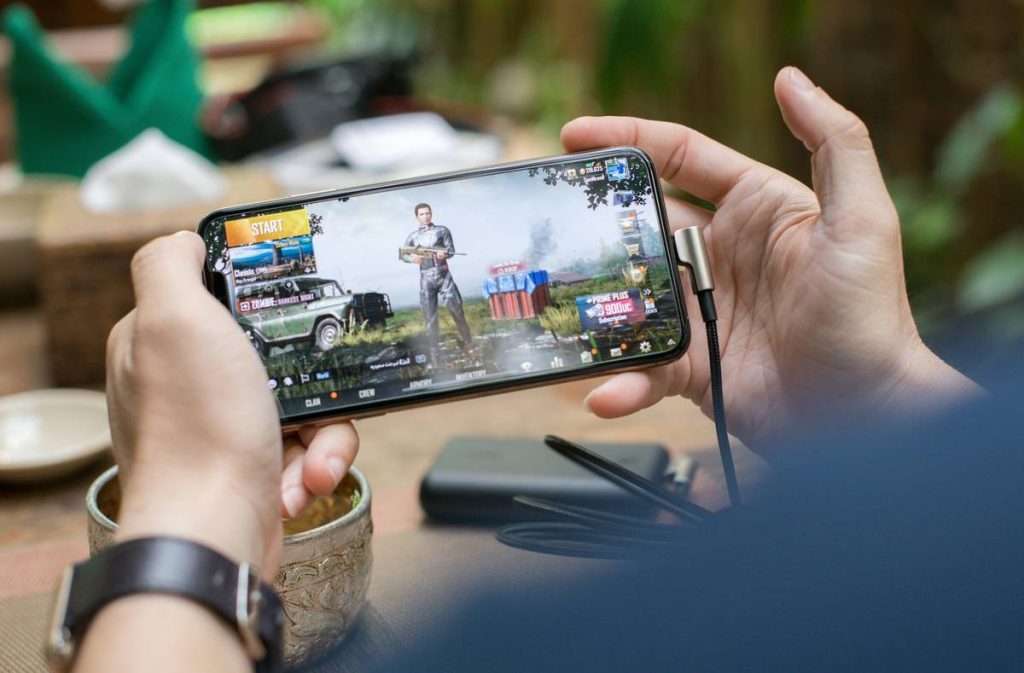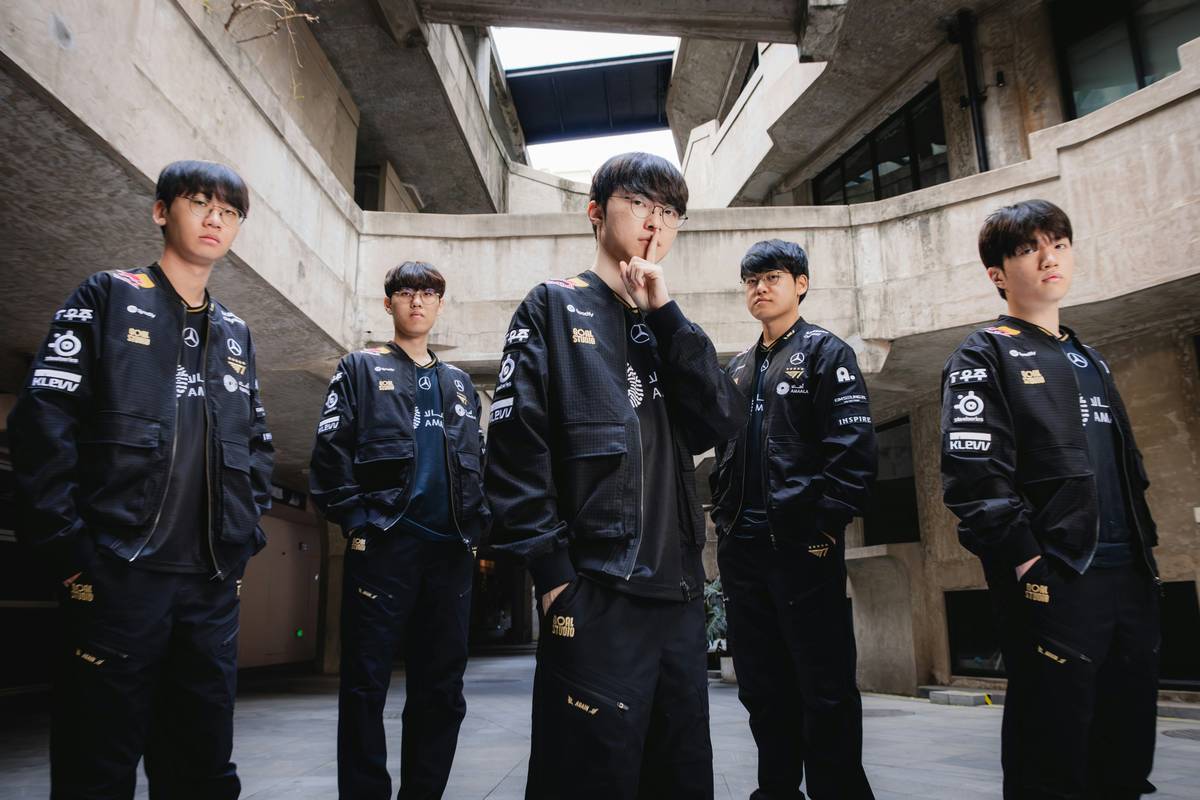
Ever spent hours grinding ranked matches only to fall just short of the next tier? You’re not alone. As mobile esports explode—with global revenues projected to hit over $3 billion by 2027—players are hungrier than ever for a real edge. But with new titles, balance patches, and meta shifts rolling out constantly, staying competitive in 2026 isn’t just about reflexes—it’s about strategy, discipline, and avoiding rookie errors that cost you rank (and sanity). In this guide, we break down exactly how to level up without burning out, backed by hard-won lessons from the trenches.
Table of Contents
- Why Competitive Mobile Games 2026 Matter
- Step-by-Step Path to Rank Up
- Pro Tips for Sustainable Success
- Real Results from Top Mobile Players
- Frequently Asked Questions
Key Takeaways
- Consistency beats marathon sessions—schedule short, focused practice blocks.
- Device optimization (touch sensitivity, FPS cap) directly impacts win rates.
- Reviewing your own replays uncovers more mistakes than watching streamers.
- Mental fatigue is your biggest enemy; tilt control is non-negotiable.
- Competitive mobile games 2026 demand both mechanical skill and strategic patience.
Why Competitive Mobile Games 2026 Matter
The line between casual and pro mobile gaming has vanished. Titles like Brawl Stars, PUBG Mobile, and Mobile Legends: Bang Bang now host million-dollar tournaments with qualification paths open to anyone. But here’s the catch: the barrier to entry is low, while the ceiling keeps rising. According to Esports Charts, mobile esports viewership grew 38% year-over-year in 2025—meaning more players, fiercer competition, and smarter opponents.
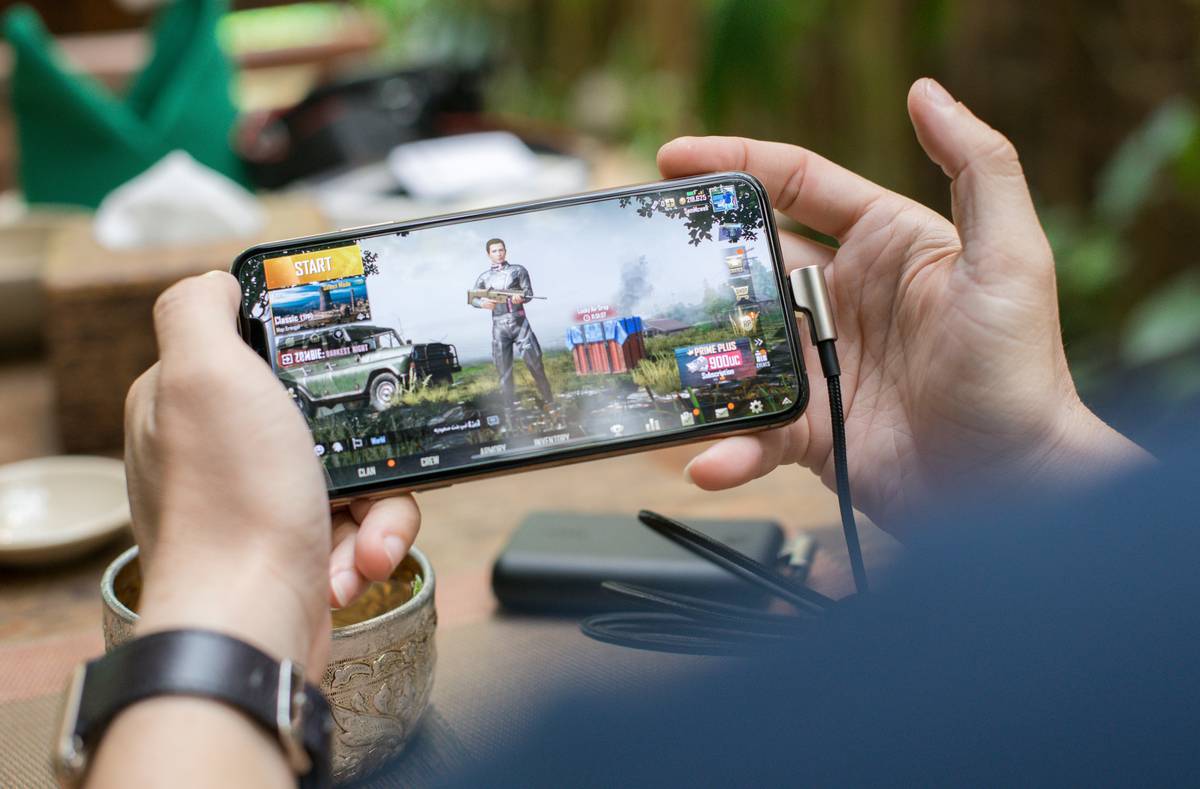
I learned this the hard way last season. I’d stay up until 3 a.m., chasing that final win for Mythic rank in Clash Royale. My win rate plummeted after midnight—not from lack of skill, but foggy judgment. I kept picking aggressive decks when defensive tempo was winning the meta. That’s when it hit me: raw talent won’t cut it in competitive mobile games 2026. You need structure.
Step-by-Step Path to Rank Up
1. Audit Your Current Setup
Check your device’s frame rate settings. Cap it slightly below max (e.g., 58 FPS on a 60 Hz screen) to reduce input lag. Adjust touch response in-game—too sensitive causes accidental drags; too slow delays actions.
2. Build a Focused Practice Routine
Skip random queue spam. Instead, dedicate 20 minutes daily to one skill: aim drills in Call of Duty: Mobile, card cycling in Hearthstone Arena, or map awareness in Wild Rift. Quality > quantity.
3. Analyze, Don’t Just Play
After every loss, ask: “Was this my mistake or bad luck?” If it’s recurring (e.g., mispositioning in late-game fights), record and review it. Tools like Mobalytics or in-game replay systems are goldmines.
Pro Tips for Sustainable Success
- Warm up before ranked: 5 minutes in custom lobbies resets muscle memory.
- Track your mental state: Stop playing if you’re frustrated—you’ll reinforce bad habits.
- Join a Discord community: Real-time feedback from peers accelerates growth.
- Avoid the ‘terrible tip’: Never buy accounts to skip ranks. Not only is it against ToS (risking bans), but you’ll lack foundational experience—leading to inevitable demotion.
And please—stop blaming ping for every loss. Yes, network matters (Akamai’s 2025 report confirms latency impacts performance), but top 1% players consistently adapt to suboptimal conditions. Own your gameplay first.
Real Results from Top Mobile Players
Take Sarah “PixelQueen” Chen, who rose from Gold to Legend in Rainbow Six Mobile in 45 days during early 2026. Her secret? She limited herself to 90 minutes per day but spent 30 of those reviewing VODs. “I stopped playing to win,” she told PC Gamer, “and started playing to learn.” Her K/D ratio jumped from 1.2 to 2.4—not from better aim, but superior decision-making under pressure.
Likewise, data from the Mobile Esports Federation shows players who implement cooldown periods after losses win 22% more matches over a two-week span. Emotional regulation isn’t soft—it’s strategic.
Frequently Asked Questions
What defines competitive mobile games in 2026?
They feature ranked ladders, regular balance updates, active matchmaking, and often official tournament circuits—setting them apart from casual or single-player mobile titles.
Can I compete professionally without spending money?
Absolutely. Most top-tier players use mid-range devices and avoid pay-to-win mechanics. Skill, not spend, dominates leaderboards in truly competitive mobile games 2026.
How much time should I practice daily?
Experts recommend 60–90 focused minutes over 3+ hours of unfocused play. Consistency trumps volume.
Are iOS or Android better for competitive play?
Performance parity has largely closed. Choose based on personal preference—just ensure your OS is updated and background apps are minimized.
Conclusion
Winning in competitive mobile games 2026 isn’t about flashy moves—it’s about disciplined habits, emotional control, and learning from every loss. The players who thrive aren’t the ones with the fastest thumbs; they’re the ones who treat every match like a lesson. Ready to build your own system? We’ve helped hundreds of gamers refine their approach—reach out to our team for personalized coaching. And remember: your rank doesn’t define you, but your resilience does.
For more on our mission and team, visit our About Us page. Always review our Privacy Policy before sharing personal gameplay data.